Mobile Auto Repair in Denver, Colorado
Denver Pro Mobile Mechanic
The mechanic comes to you. Home, work, or wherever the car quit.
Call 720-796-7673Weekdays, same day service is usually possible. Call or text.
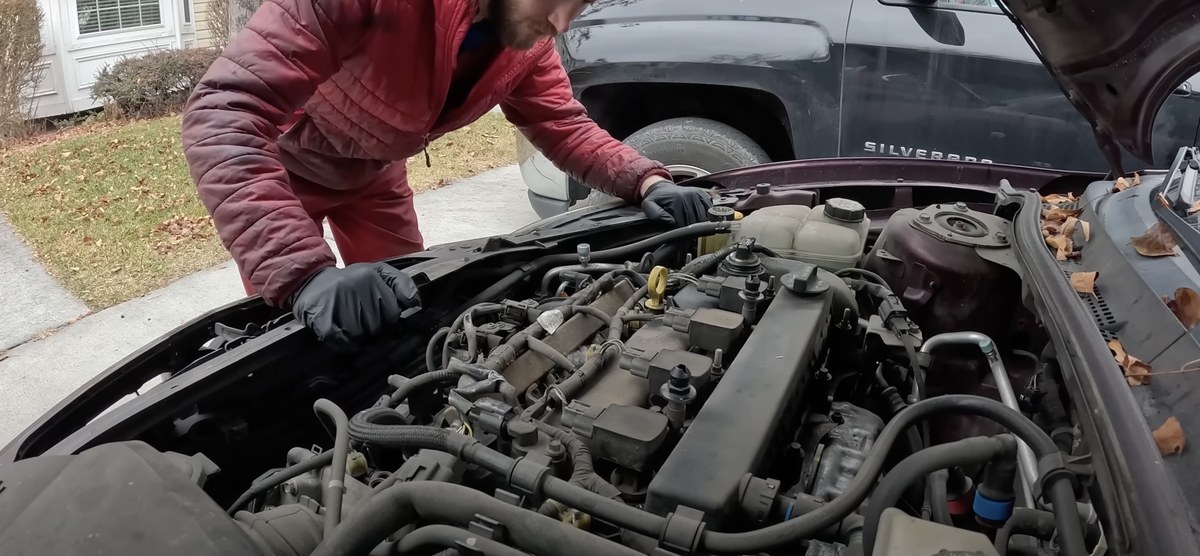
Mobile Mechanic in Denver, CO
Your car won't start. Or the brakes are making that sound you've been pretending not to hear. Or the check engine light popped on somewhere on I-25 and now you're wondering how bad it is.
Whatever brought you here, you're probably not thrilled about it. Nobody wakes up hoping to search for a mechanic. Here's the good part though. You don't have to drive anywhere (maybe you can't drive anywhere, and that's fine too). We come to you. Your driveway, your office parking lot, the street spot where the car gave up. We show up with tools and parts, figure out what's actually wrong, tell you what it costs, and fix it right there.
No tow truck. No shuttle rides. No waiting room coffee while your whole afternoon disappears.
Call or text 720-796-7673 and tell us what the car is doing (or not doing). We'll tell you what it sounds like, roughly what it might run, and when we can be there.
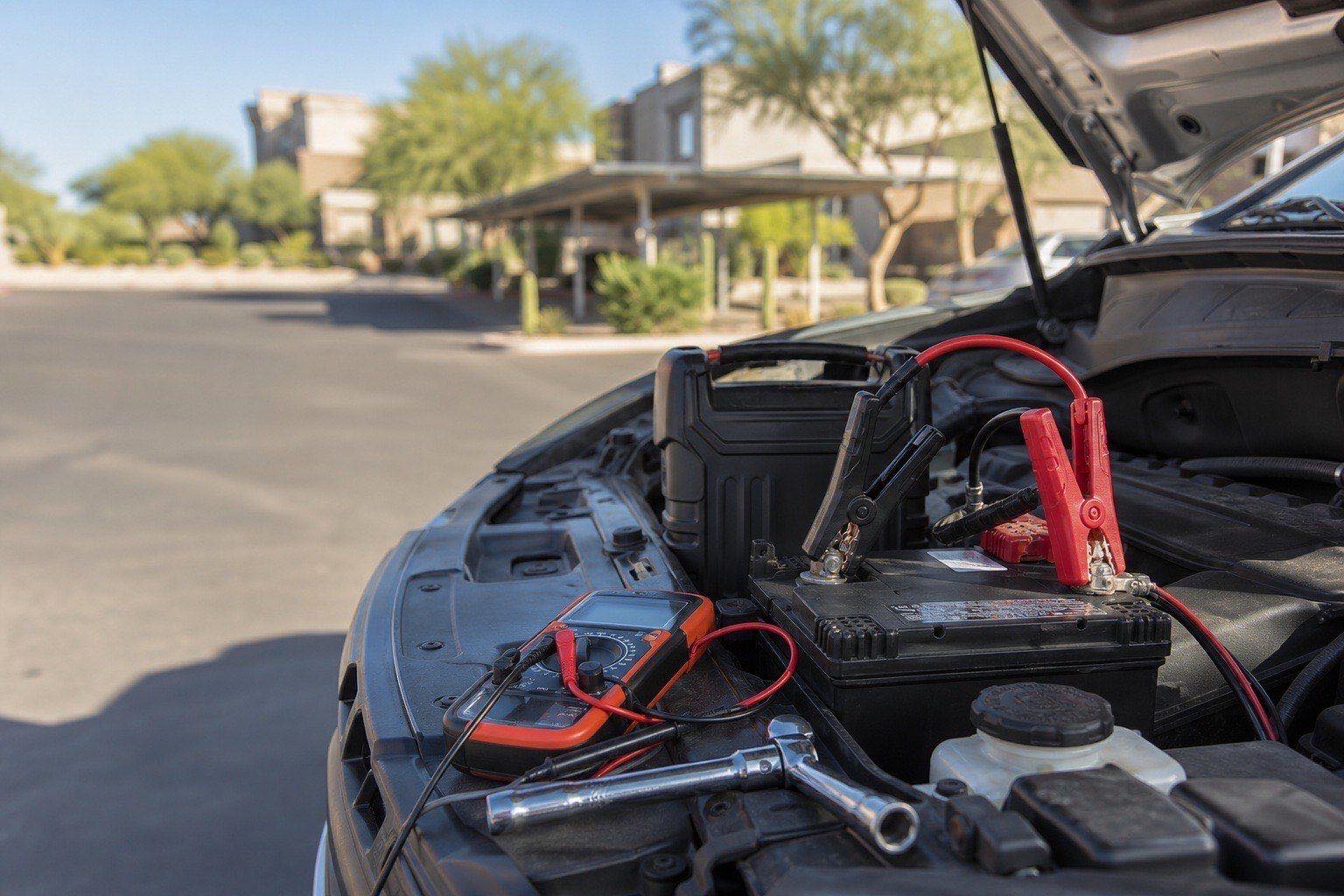
Car Repair and Maintenance
So what do we actually fix? Most of what goes wrong with a car, honestly. Brakes, batteries, starters, alternators, spark plugs, ignition coils, belts, hoses, thermostats, water pumps, oil changes, tune ups, and the sensors that run the show behind the scenes. The big one is diagnostics, which is a fancy word for figuring out why your car is acting up before throwing parts at it.
Mobile Auto Repair
How the whole come-to-you thing works
No-Start Diagnostics
When you turn the key and nothing happens
Battery & Charging Help
Testing and replacement at your address
Brake Repair
Pads, rotors, calipers, done in your driveway
Mobile Diagnostics
For that check engine light
Not sure which bucket your problem falls into? That's normal. Just call 720-796-7673 and describe the symptom. Weird noises, smells, warning lights, puddles under the car. We've heard it all and we can usually narrow it down fast.
Brake Repair in Denver
Squealing when you slow down? Grinding? A pedal that sinks a little further than it used to? Brakes tell on themselves early, and catching them at the squeal stage is a lot cheaper than catching them at the grind stage (that grinding is metal on metal, and it eats rotors fast).
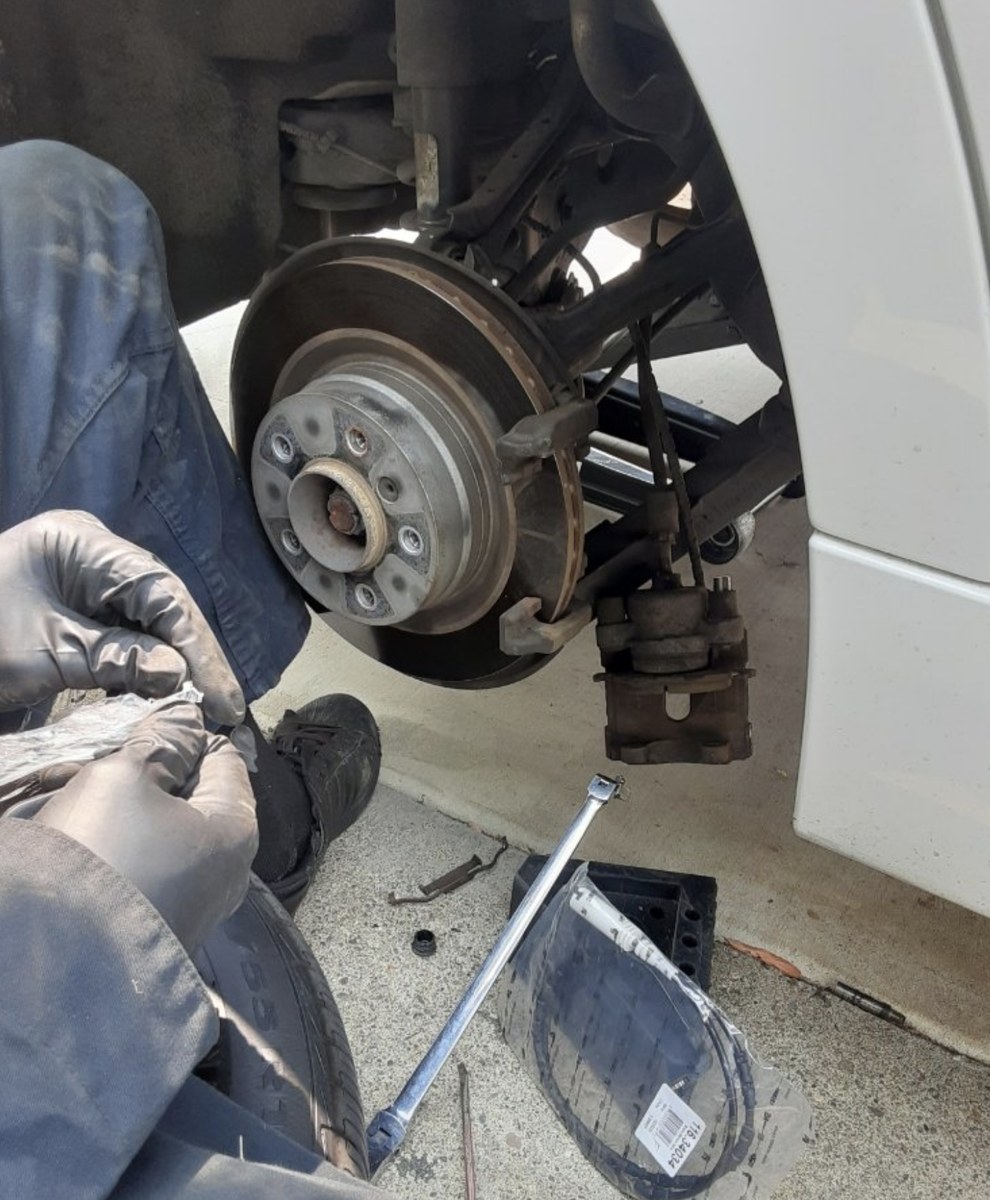
We replace pads, rotors, calipers, and brake hoses right where the car is parked. You can watch if you want. Plenty of people do, and we're happy to show you the old parts so you can see the wear for yourself.
One more thing worth asking yourself: do you take I-70 into the mountains? Long downhill grades work brakes harder than city driving ever will, and old brake fluid can boil on a descent. If your weekends point west, say so when you call. It changes what we check and what parts we recommend.
Car Won't Start? We Handle That Every Day
A no-start is the classic mobile mechanic job, because how would you even get it to a shop? You'd pay for a tow just to find out it was a loose battery cable the whole time.
Here's something most Denver drivers learn the hard way. Batteries don't last as long up here. Summer heat quietly wears them out, then the first cold morning of the season asks for everything they've got, and a bunch of them fail on the same week. If your battery is three years old or more, it's worth a quick test before winter instead of a jump start during it.
When we come out for a no-start, we test in order: battery, connections, starter, charging system. Whatever failed gets proven with an actual reading before we replace anything. You see the number, then you decide.
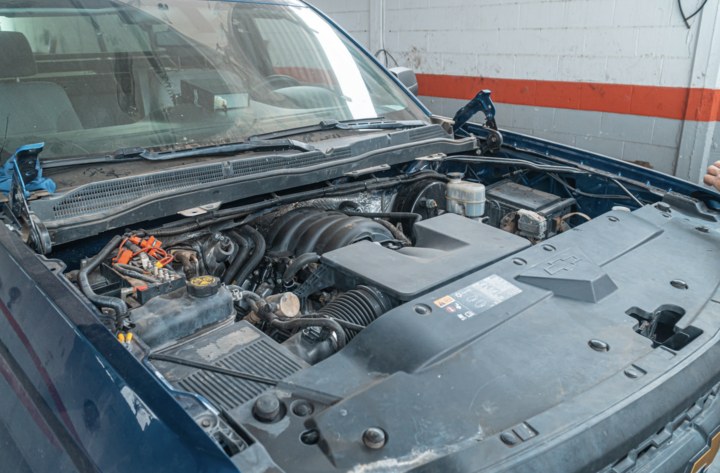
Stuck right now? Give us a call.
720-796-7673Check Engine Light On?
First, don't panic. A steady check engine light usually means the car caught a problem early, which is the cheap stage. A flashing light is the one to take seriously. That means the engine is misfiring right now, and driving on it can cook the catalytic converter (an expensive part you do not want to buy). Flashing light? Park it and call us.
We plug in a proper scan tool, read the codes and the live data, and tell you in plain English what's going on. Quick heads up about Denver: thin air changes how engines run, and some codes trip easier at altitude than they do at sea level. A loose gas cap or a small evap leak sets off lights up here all the time. Sometimes the fix really is that small. Sometimes it isn't. The point of a real diagnosis is knowing which one you've got before you spend money.
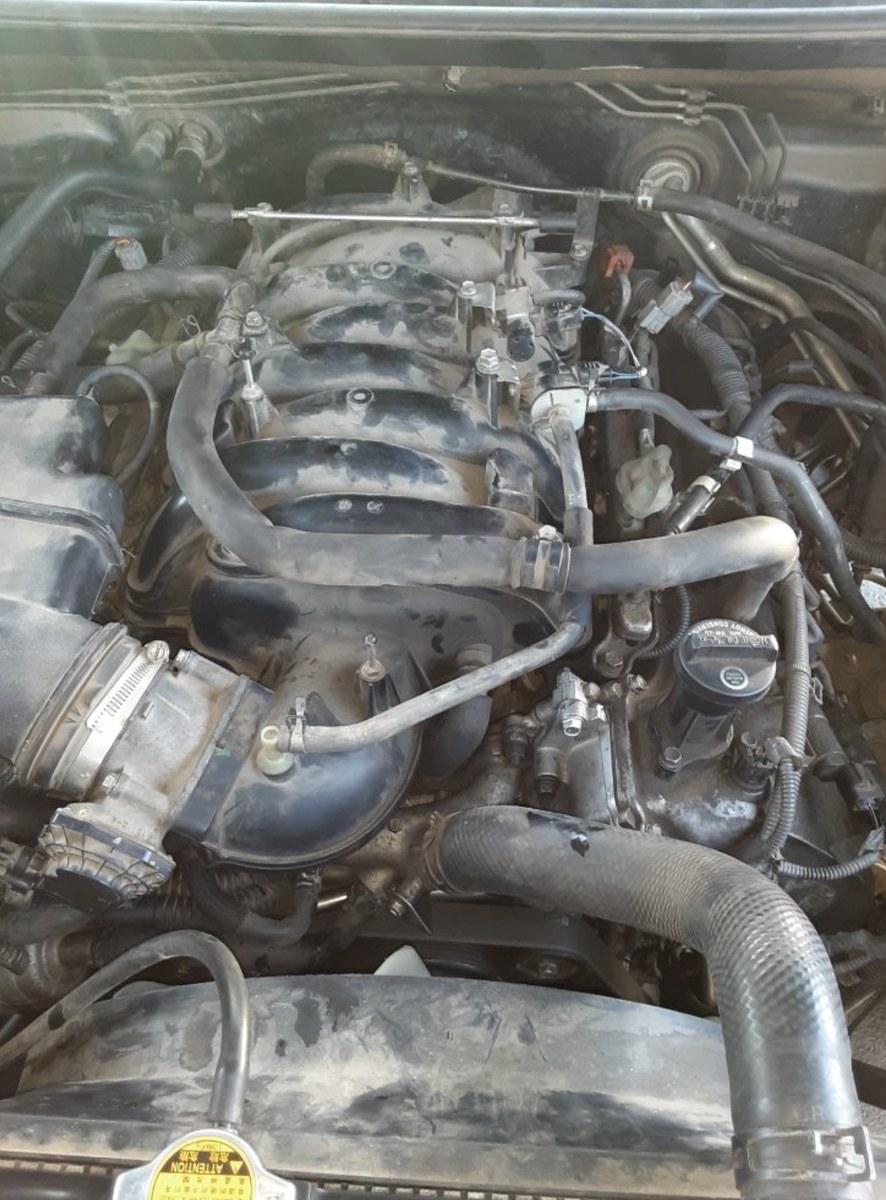
How a Visit Works
You call or text 720-796-7673. We ask about the year, make, model, what it's doing, and where it's parked. You get a price for the visit and an arrival window on that first call.
We show up, test, and show you what we found. You get a written price before any repair starts, and nothing extra gets added without asking you first. When it's done, we drive the car, hand you the old parts if you want them, and leave you paperwork that says what was done. Parts and labor are both warrantied, and if anything we touched acts up afterward, we come back and make it right.
Where We Go
All over Denver, for a start. Capitol Hill, Wash Park, the Highlands, Five Points, Baker, Park Hill, Cherry Creek, Central Park, Green Valley Ranch, Montbello, and everywhere in between. Street parking, alley spots, apartment lots, office garages downtown. If the car sits somewhere we can legally and safely set up next to it, we can work on it.
Outside the city proper, we regularly run to Aurora, Lakewood, Englewood, Commerce City, Glendale, Wheat Ridge, and Edgewater. Not sure if you're in range? Just ask. The worst we'll say is not today, and we'll usually know someone who can help instead.
Oil Changes and Maintenance at Your Place
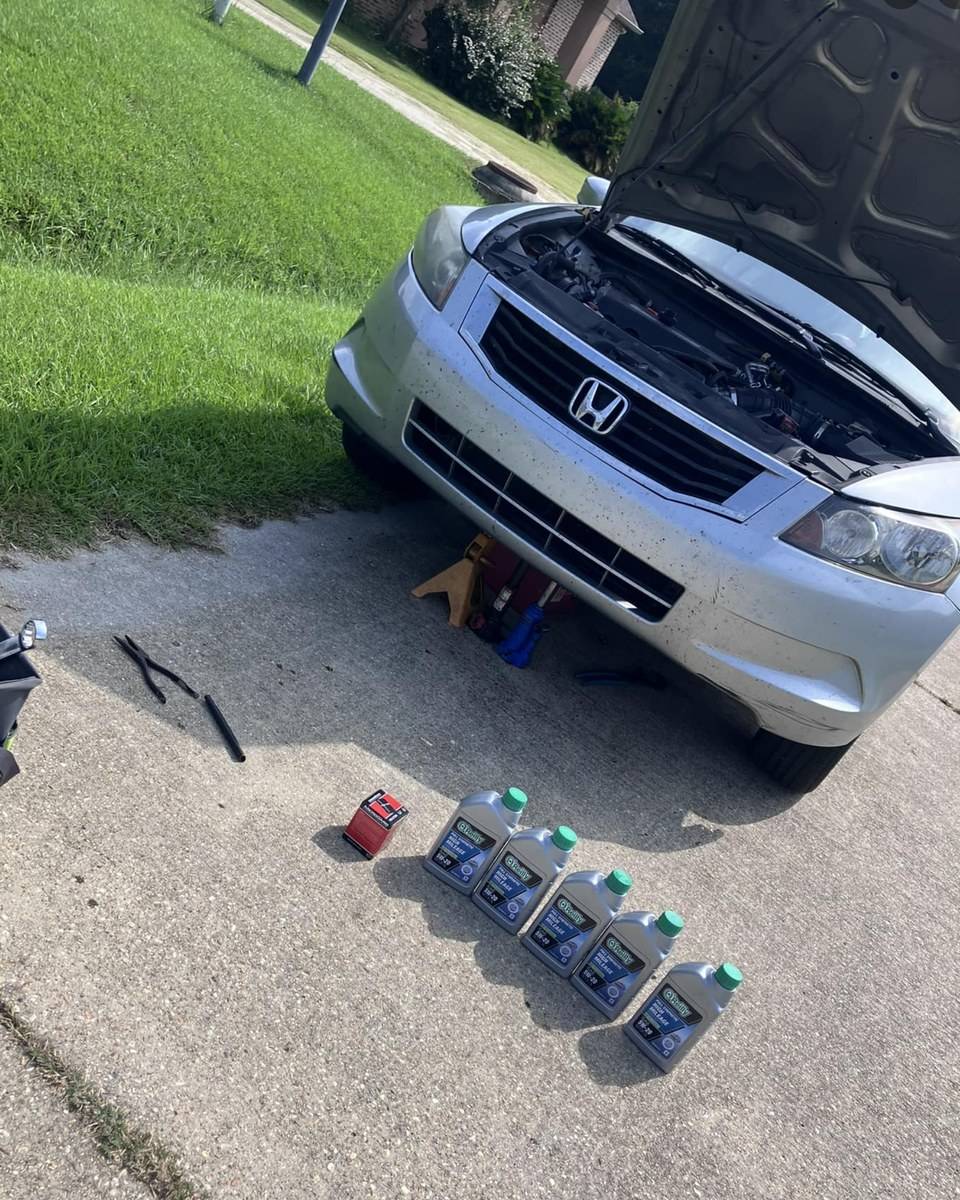
Not everything we do is a breakdown. A good chunk of our regulars just got tired of burning a Saturday morning in a quick lube waiting area. We do oil changes, filters, fluid checks, belt and hose inspections, and seasonal checkups while the car sits in your driveway and you get on with your day.
Denver is honestly a little hard on cars. Big temperature swings, strong sun, mag chloride on the roads all winter. Rubber dries out faster, batteries age faster, and the stuff sprayed on winter roads creeps into electrical connections. A quick once-over each spring and fall catches most of it while it's still cheap. Want us to put your car on that kind of schedule? Ask when you call, and we'll set reminders so you don't have to think about it again.
Questions Denver Drivers Ask Us
How fast can you get to me?
Call in the morning and there is a good chance we can see you that same day. A car that will not start at all jumps the line ahead of routine work. Either way, you get a real arrival window when you call, not a guess.
Do you charge just to come out?
The trip is part of the diagnostic visit, and you hear the price for that on the phone before we drive anywhere. If you approve the repair, the diagnosis rolls into the job. No surprise line items.
Can you work in my apartment parking lot?
Yes, apartment lots are half our week. Street parking works too as long as the rules give us room to set up next to the car. Tell us where the car sits when you call and we will plan around it.
Why does my battery keep dying in Denver?
Blame the altitude weather. Denver summers cook batteries and the first cold snap collects the bill. A battery that would last five years at sea level often taps out closer to three here. We can test yours in a few minutes and tell you if it will survive the winter.
What if my car needs something you cannot do on site?
We tell you right away and point you to the right kind of shop. Transmission rebuilds and alignment racks are not driveway work, and pretending otherwise would waste your money. You keep the written diagnosis either way.
What kinds of vehicles do you work on?
Cars, pickups, SUVs, and vans, domestic and import, old and new. If it is something unusual, tell us the year, make, and model on the phone and we will give you a straight yes or no.
Ready When You Are
Denver Pro Mobile Mechanic serves Denver and the nearby suburbs, weekdays, with honest answers and repairs done where your car already sits. One call gets you a straight opinion and a real price.
Call 720-796-7673Prefer to type? The contact page explains the best way to reach us.